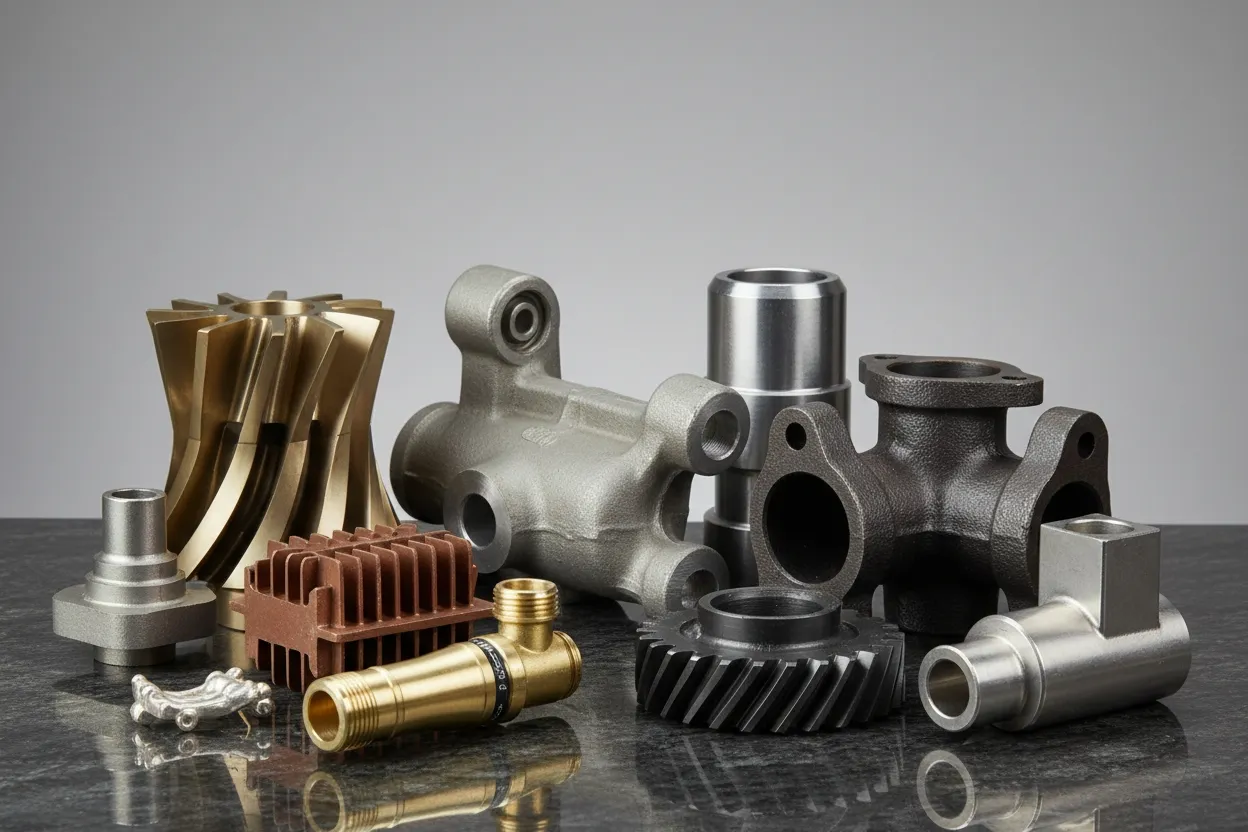
At ICAST ALLOYS LLP, we specialize in providing high-precision tool steel investment casting solutions tailored for industries that demand extreme durability, hardness, and wear resistance. Located in Rajkot, Gujarat, our ISO 9001:2015 certified facility utilizes the Lost-Wax Casting process to create near-net-shape components that perform under the most strenuous industrial conditions.
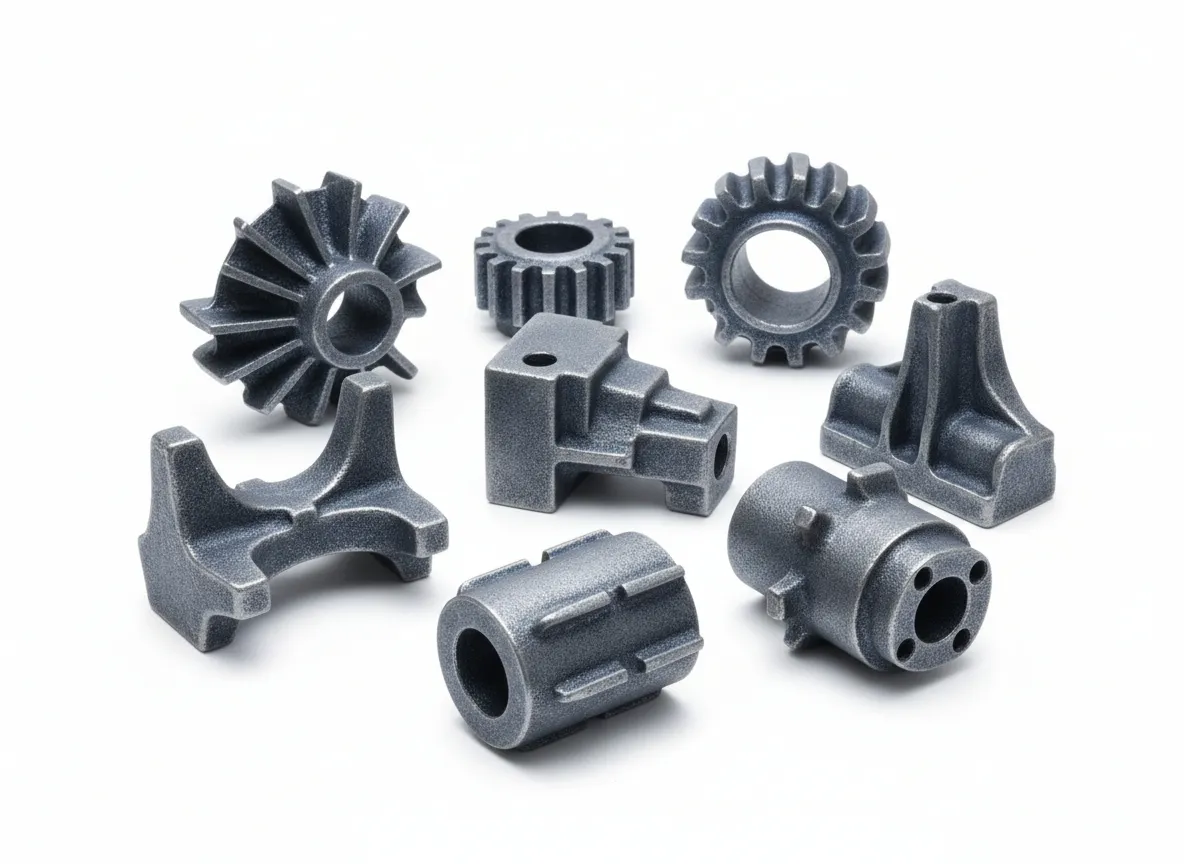
Tool steel refers to a variety of carbon and alloy steels that are particularly well-suited for being made into tools. In the investment casting process, we use these alloys to create complex, high-strength parts that can withstand high temperatures and heavy abrasion. These alloys are enriched with elements like tungsten, molybdenum, chromium, and vanadium to ensure superior edge retention and toughness.
Our stainless steel castings are engineered for environments where strength and hygiene are non-negotiable. Key sectors we serve include:


Cold-Work: A2, D2, O1
Hot-Work: H11, H13
Shock-Resistin: S1, S5, S7
High-Speed: M2, M42
Cold-Work: High wear resistance & excellent dimensional stability during heat treatment.
Hot-Work: Maintains strength and hardness at elevated temperatures.
Shock-Resisting: Exceptional toughness and resistance to sudden impact
High-Speed: Retains hardness at high cutting speeds (red hardness)
Exceptional Hardness: Capable of reaching hardness levels up to 60+ HRC after heat treatment.
Complex Geometries: Unlike machining from solid blocks, investment casting allows for intricate internal cavities and thin walls
Surface Finish: Provides a superior "as-cast" surface finish (typically Ra 1.6 - 6.3μm), significantly reducing the need for secondary polishing
Material Efficiency: Near-net-shape production minimizes the waste of expensive tool steel alloys
High Initial Tooling Cost: The creation of wax injection dies makes it more expensive for very low-volume prototypes compared to CNC machining
Process Complexity: Requires expert metallurgical control and specialized heat treatment cycles to prevent cracking or distortion
Size Constraints: Best suited for parts weighing up to 50–70 kg; larger components may require alternative casting methods
As a leading manufacturer in Rajkot, we combine traditional craftsmanship with modern technology. Our Solidification Modeling software predicts casting quality before production, ensuring your parts are defect-free and delivered on time.
Expert Insight: "Our team of metallurgists works directly with your design engineers to select the exact tool steel grade that balances toughness and wear resistance for your specific application."