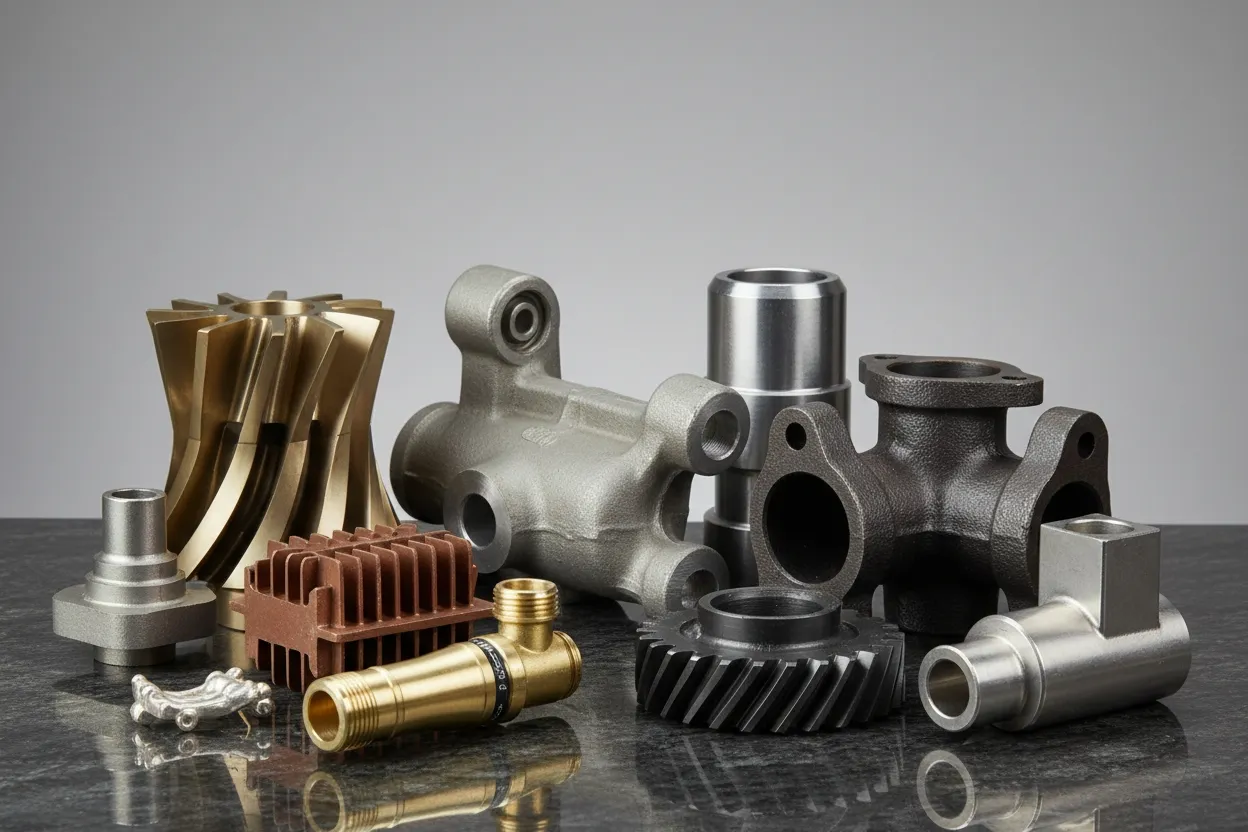
Investment casting (lost-wax casting) is a cornerstone of the precision manufacturing services provided by ICAST ALLOYS LLP. By using carbon steel alloys, ICAST delivers cost-effective components with high dimensional accuracy and superior surface finishes.
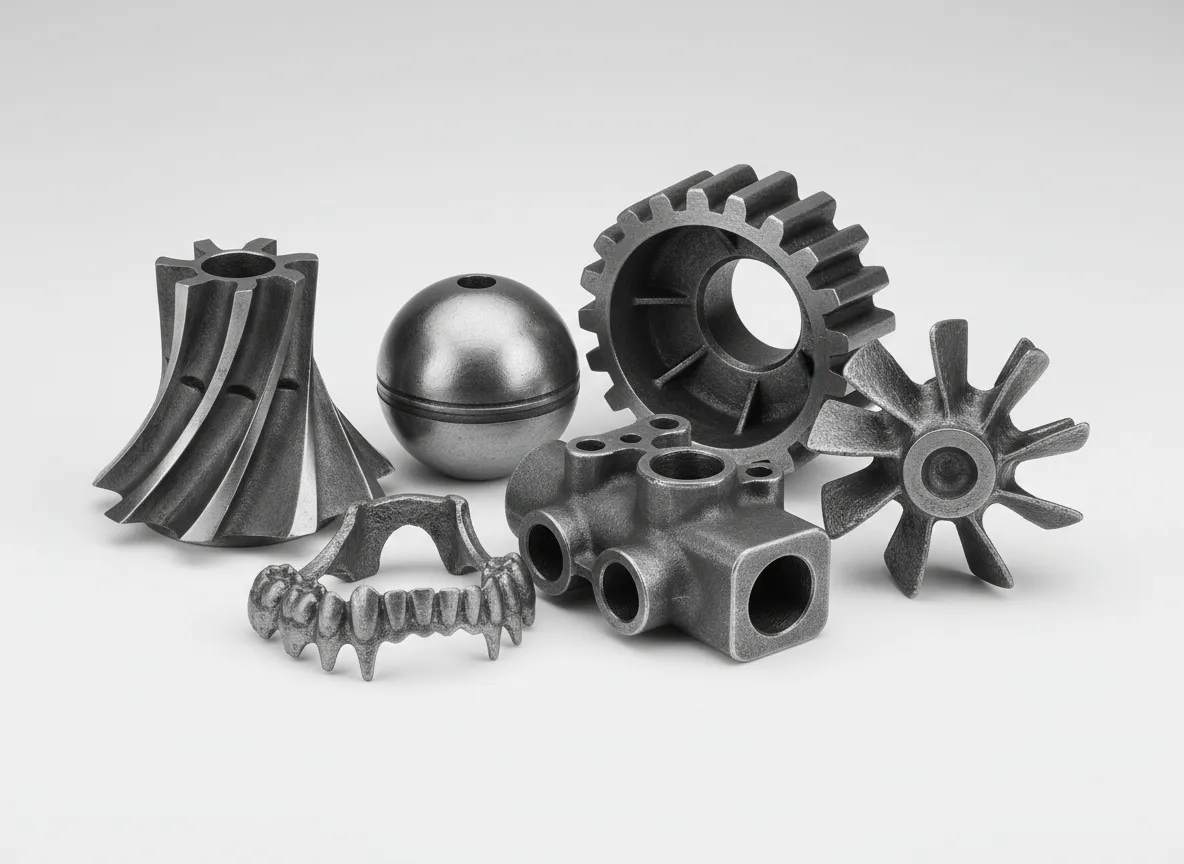
Carbon steel is primarily classified by its carbon content, which dictates the balance between strength, ductility, and weldability.
Carbon Content: 0.05% to 0.30%
Low carbon steel is the most common material used in investment casting due to its high ductility and ease of processing. At ICAST, these alloys are often chosen for parts that require significant forming or welding.
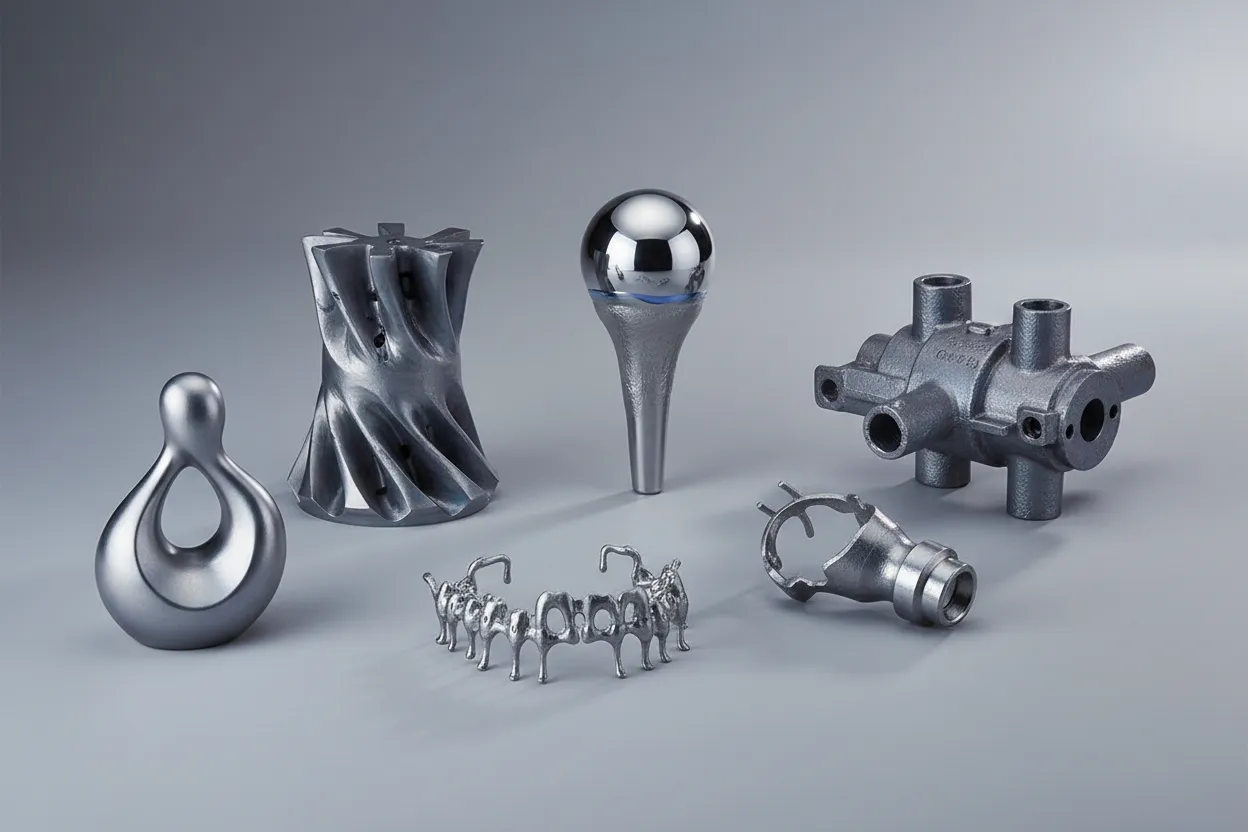
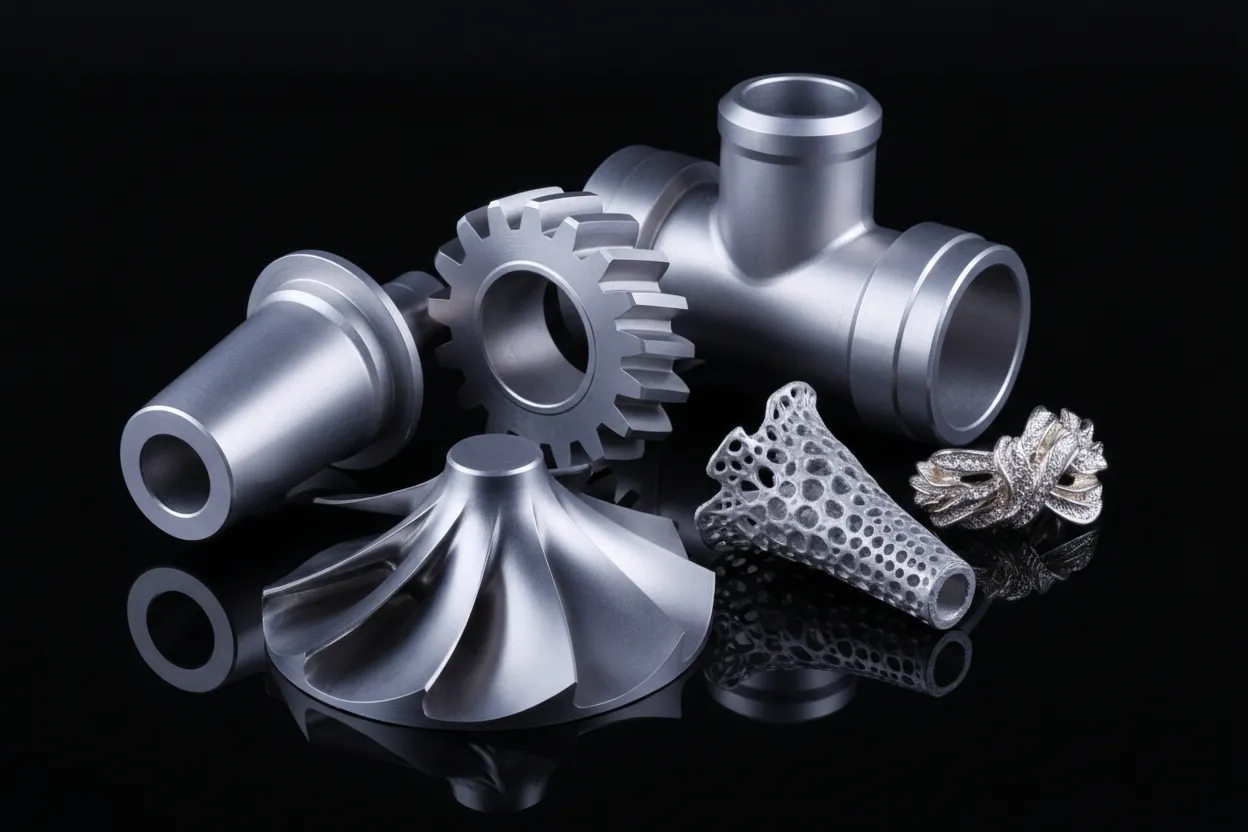
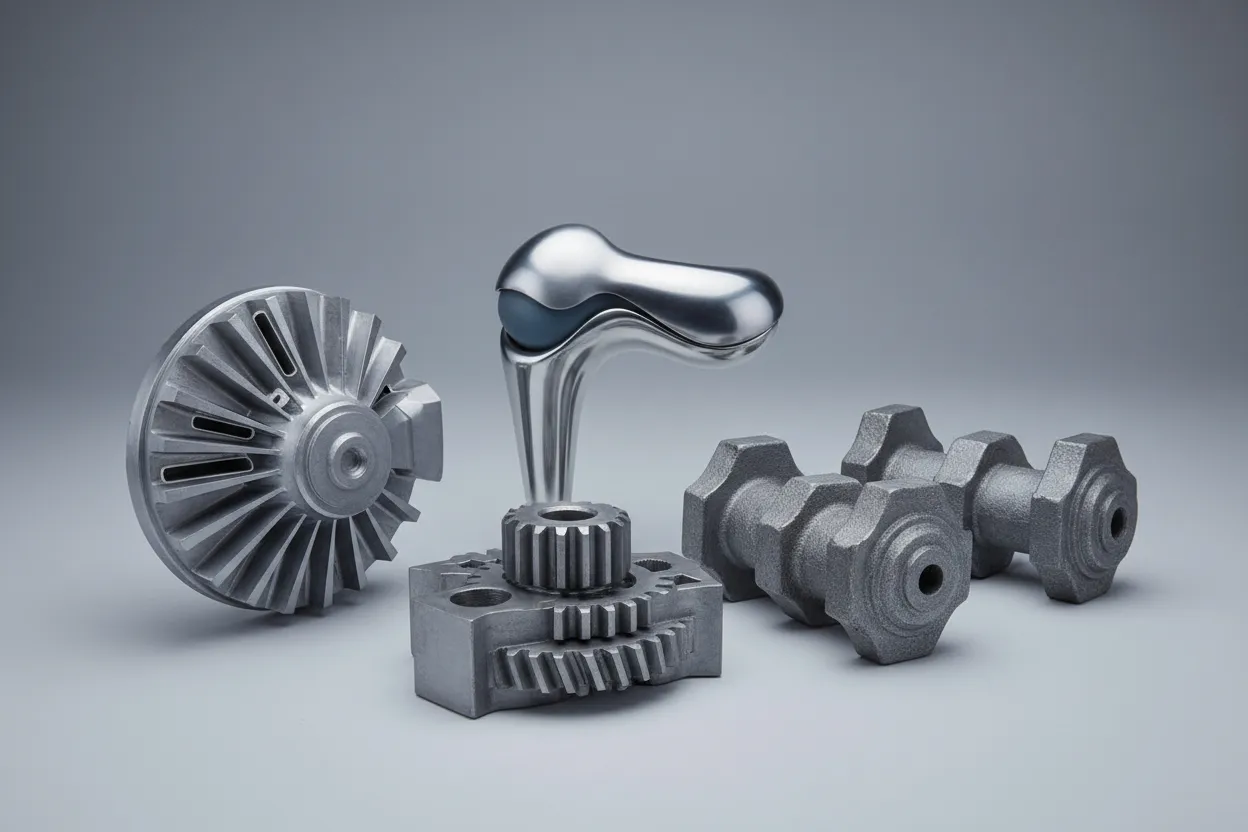
AISI 1010, 1018, 1020, ASTM A216 WCA/WCB
Automotive: Brackets, suspension components, and hinges
Pumps & Valves: General-purpose valve bodies and covers.
Infrastructure: Connectors and structural fittings.
Excellent Weldability: Easiest to weld without cracking
High Ductility: Can be easily shaped or bent without breaking
Cost-Effective: Typically the most affordable steel option
Low Hardness: Does not respond well to heat treatment (requires carburizing for surface hardness).
Wear Resistance: Wears down faster under friction compared to higher carbon grades
Carbon Content: 0.31% to 0.60%
Medium carbon steel strikes a balance between the malleability of low carbon steel and the strength of high carbon steel. It is the "workhorse" for mechanical engineering components at ICAST.
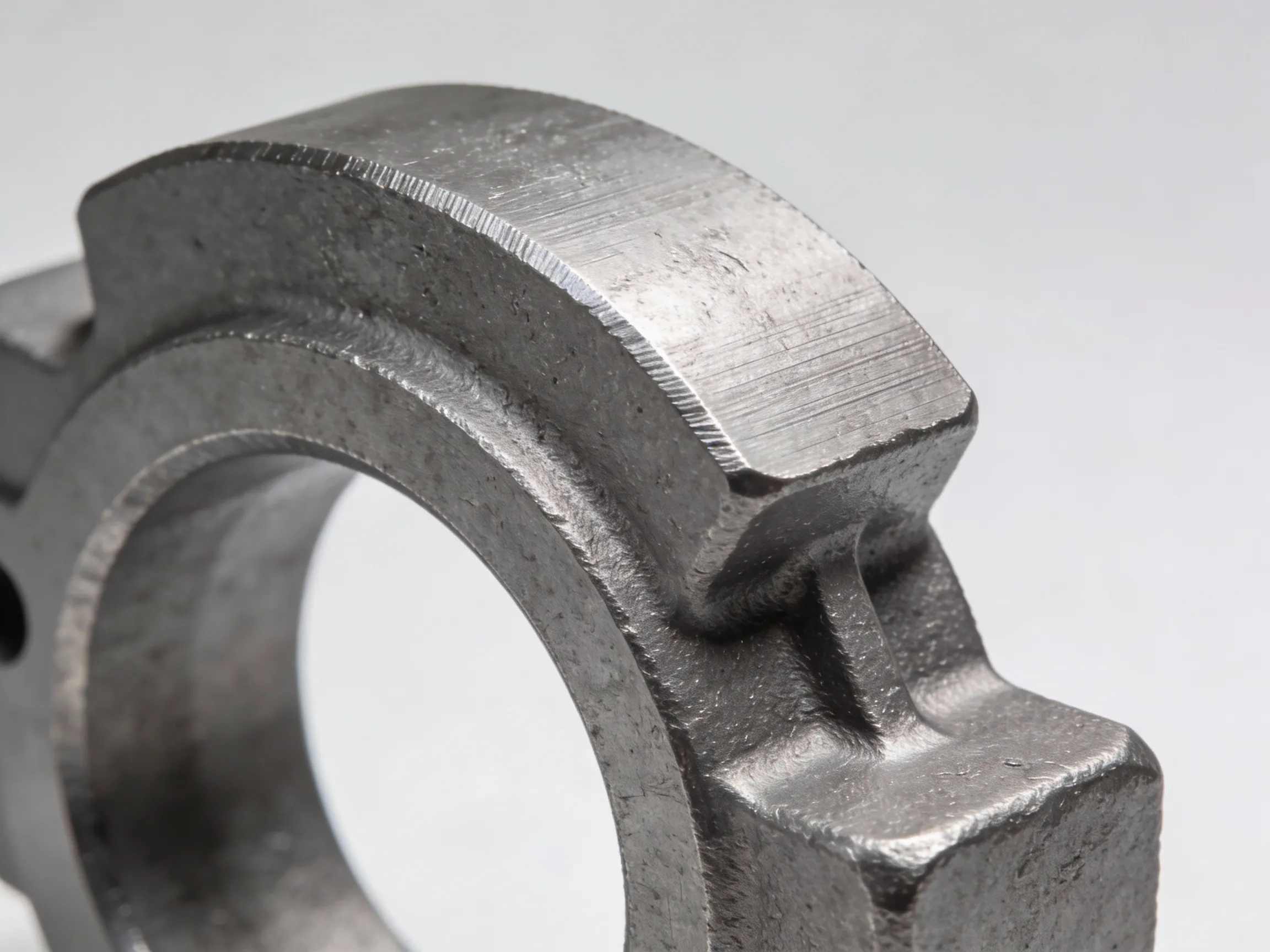
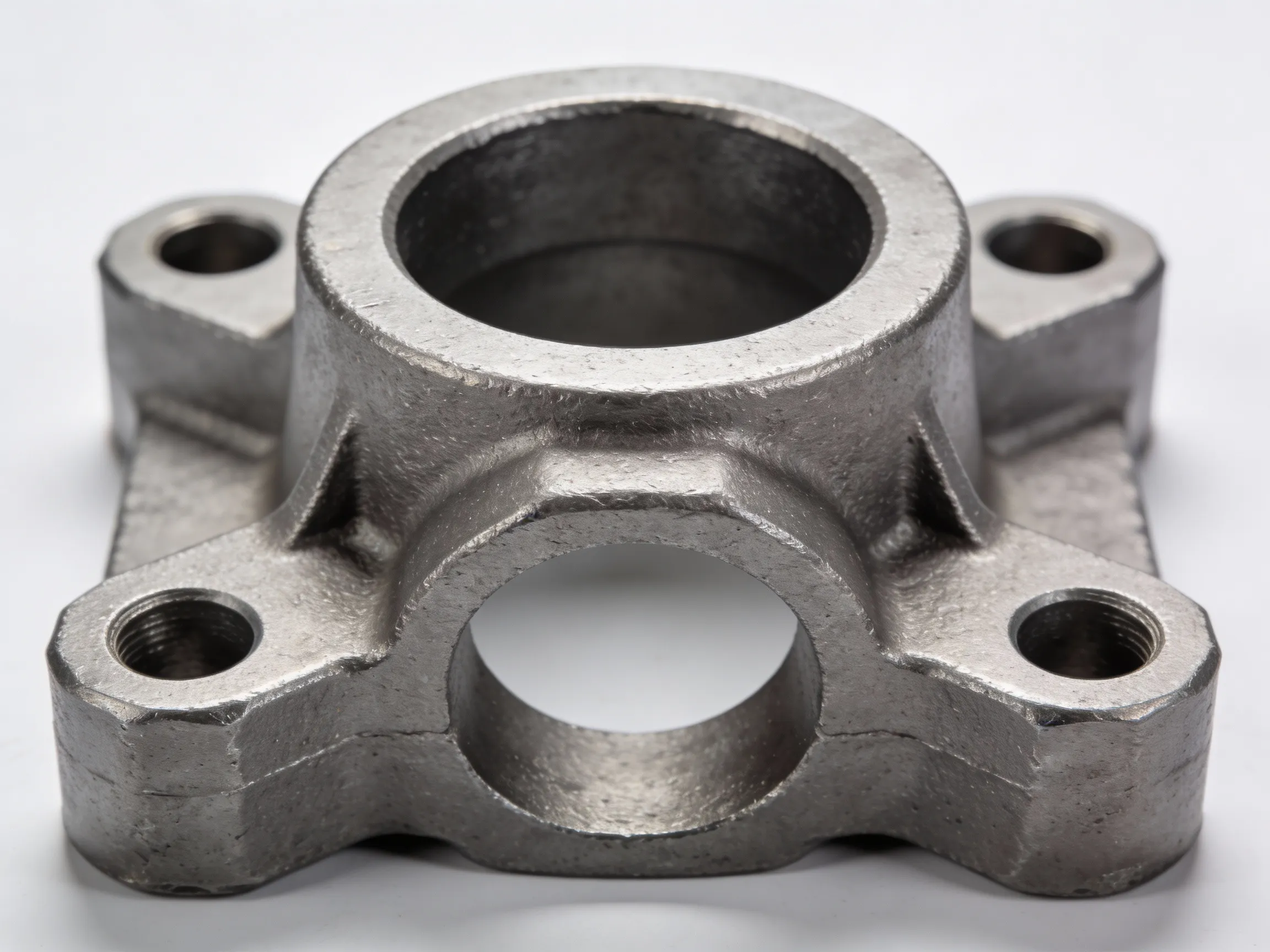
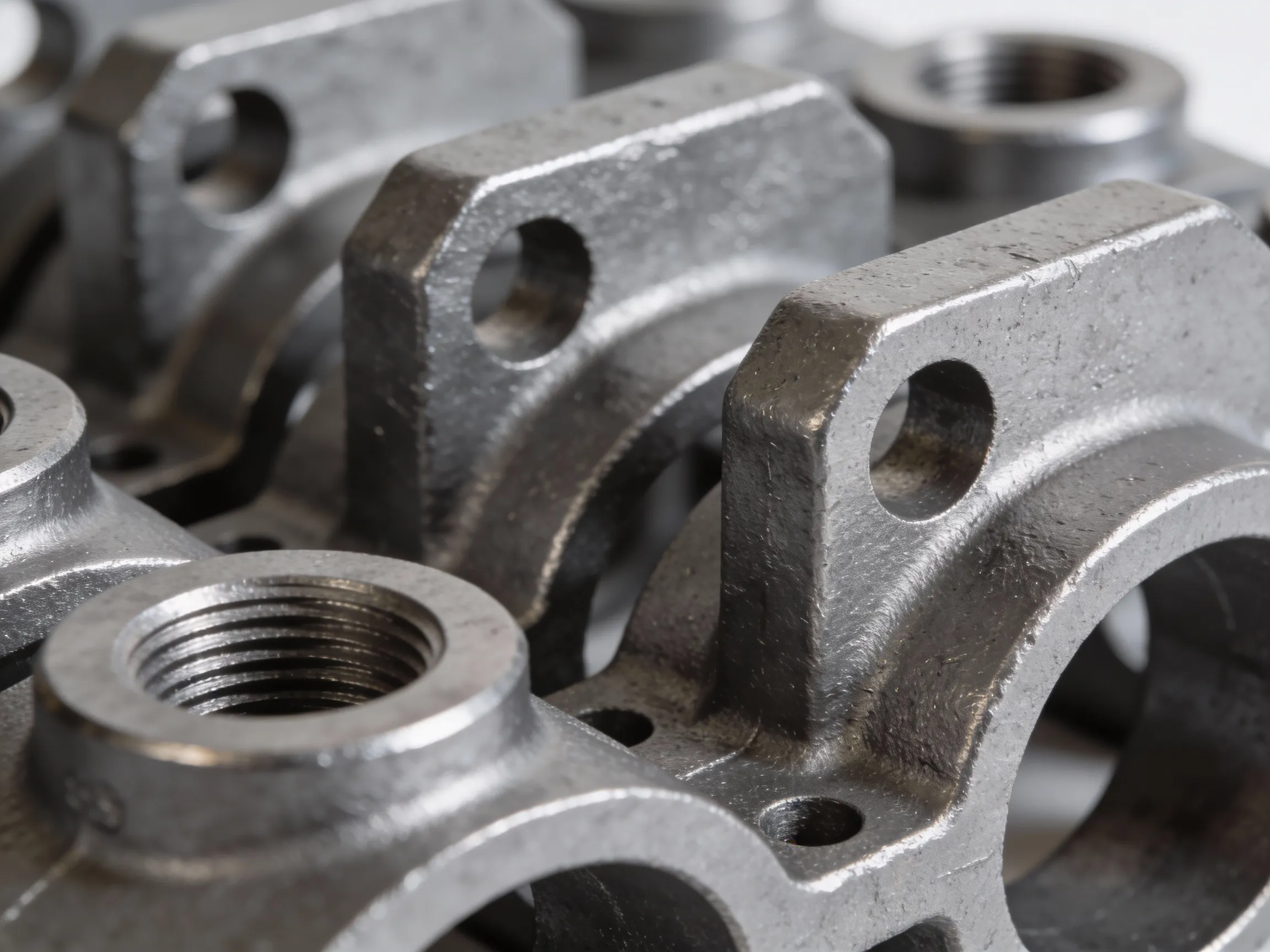
AISI 1040, 1045, ASTM A216 WCC
Mechanical Power: Gears, shafts, axles, and crankshafts
Industrial Machinery: Lever arms, link pins, and heavy-duty brackets
Railway: Tracks and coupling components
Heat Treatable: Can be quenched and tempered to significantly increase strength and hardness
Good Machinability: Offers a clean finish during secondary machining operations
Strength-to-Weight: Provides high structural integrity for moving parts
Moderate Weldability: Requires pre-heating and post-weld heat treatment to prevent brittleness
Lower Ductility: More prone to cracking under extreme deformation than mild steel.
Carbon Content: 0.61% to 1.50%
Known for extreme hardness and "shape memory," high carbon steel is used by ICAST for specialized applications where resistance to wear and abrasion is critical.
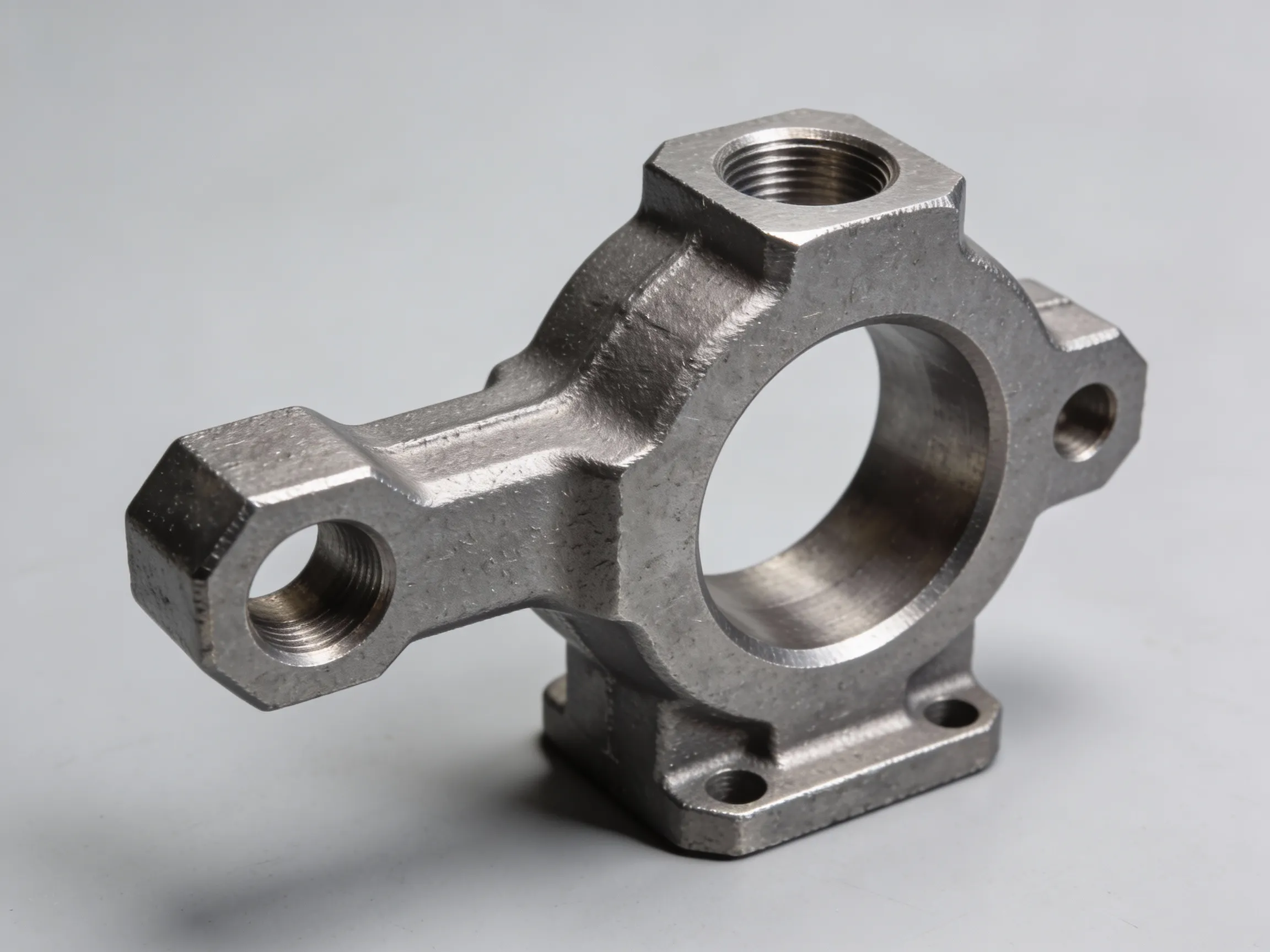
Common Grades: AISI 1060, 1080, 1095
Cutting Tools: Industrial knives, blades, and shears
Springs: Heavy-duty coil springs and flat springs
Wear Parts: Grinding balls, pins, and high-abrasion nozzles
Extreme Hardness: Highest resistance to wear, scratching, and abrasion
Shape Memory: Excellent for springs that must return to their original form
Brittleness: Low impact resistance; parts may snap rather than bend under sudden loads
Poor Weldability: Extremely difficult to weld; often requires specialized furnace conditions
Difficult Machining: Hardness makes it tough on cutting tools, increasing production costs.
| Feature | Low Carbon | Medium Carbon | High Carbon |
| Strength | Low | Medium/High | Very High |
| Ductility | Very High | Moderate | Low (Brittle) |
| Weldability | Excellent | Fair (Requires Care) | Poor |
| Hardness | Low | High (after HT) | Extremely High |
| Cost | Lowest | Moderate | Higher |