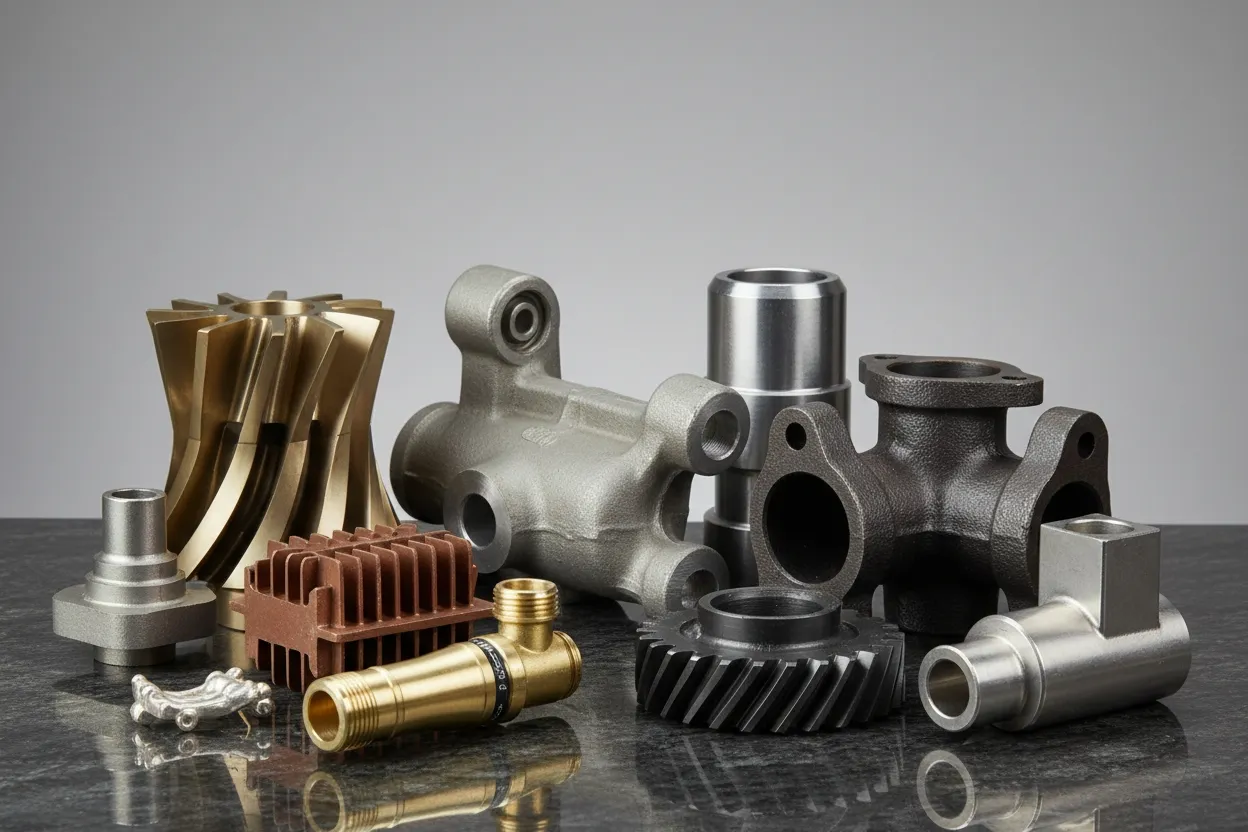
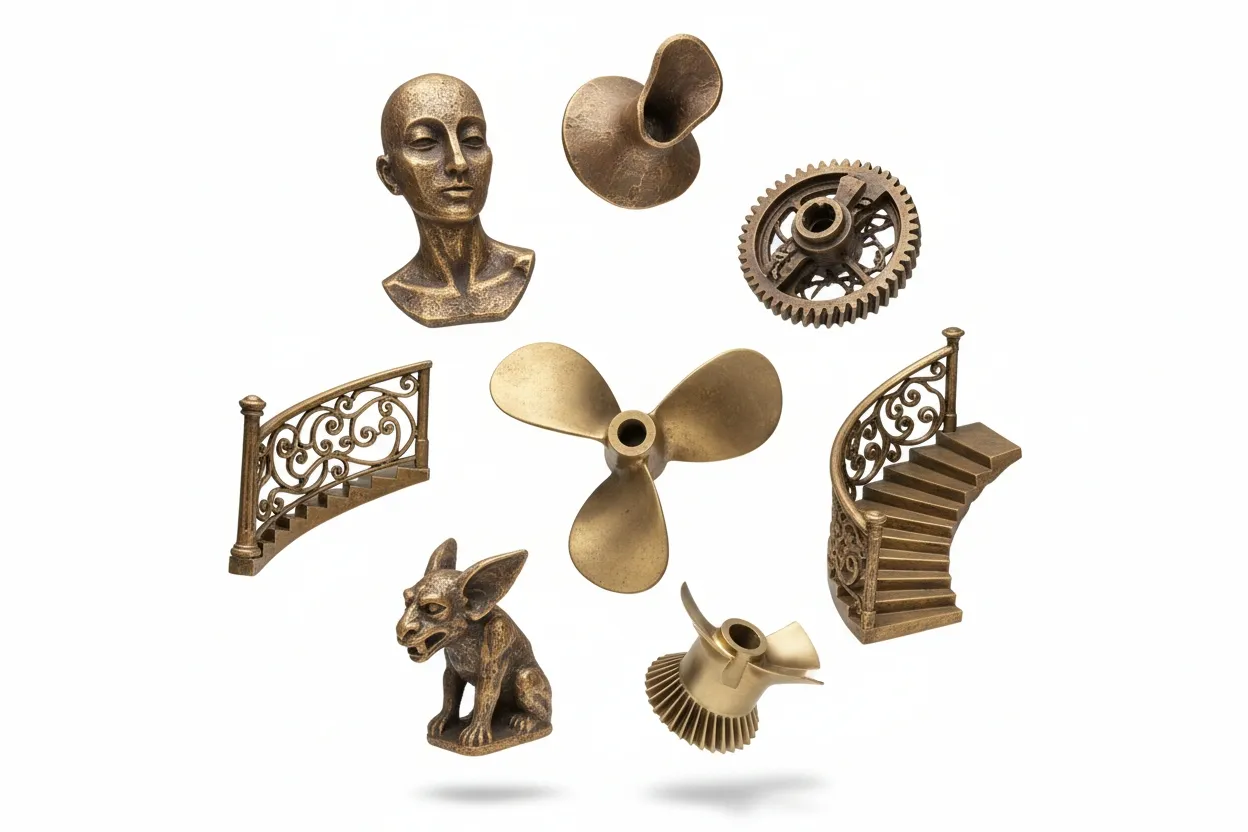
In the competitive landscape of precision engineering, ICAST ALLOYS LLP stands out as a premier manufacturer of high-quality Brass and Bronze Investment Castings. Leveraging the "Lost Wax" process, ICAST produces near-net-shape components that serve critical functions in industries ranging from aerospace to marine engineering
Below is a comprehensive guide to their brass and bronze casting solutions, including material grades, industrial applications, and the strategic advantages of choosing these alloys.

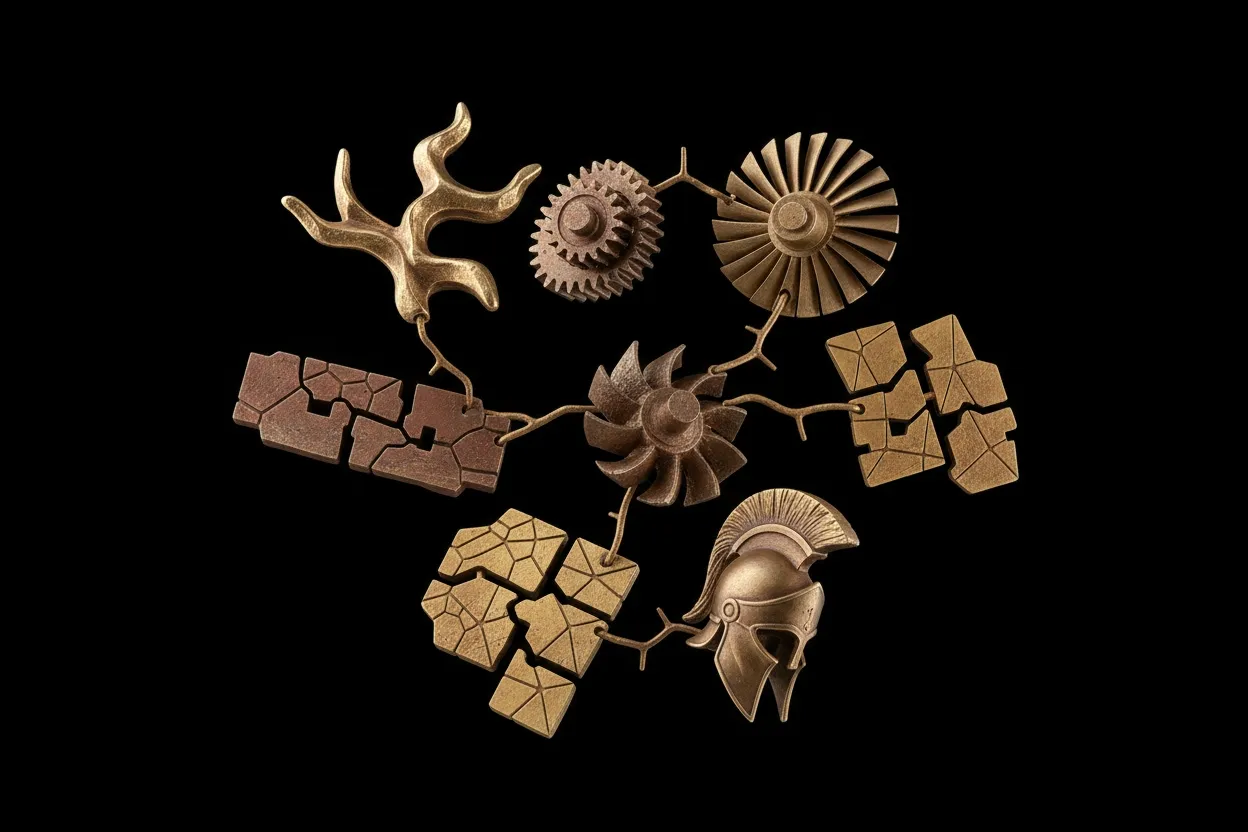
At ICAST ALLOYS LLP, the investment casting process is used to create complex, thin-walled geometries that are difficult to achieve through traditional sand casting or machining. This process involves creating a wax pattern, coating it in a ceramic shell, melting the wax out, and pouring molten brass or bronze into the resulting cavity
Aluminum Bronze (C952, C954, C958)
Phosphor Bronze (PB1, PB2)
Silicon Bronze (C873, C875)
Tin Bronze / Gunmetal (C905, C907)
Yellow Brass (C85700)
High Tensile Brass (Manganese Bronze - C862, C863)
Leaded Brass
Aluminum Bronze (C952, C954, C958): Known for exceptional strength and resistance to oxidation; ideal for heavy-duty hardware
Phosphor Bronze (PB1, PB2): Features excellent wear resistance and low friction; used frequently for springs and bearings
Silicon Bronze (C873, C875): Offers high fluidity during casting and superior corrosion resistance in marine environments
Tin Bronze / Gunmetal (C905, C907): A classic choice for pressure-tight applications like valves and pumps
Yellow Brass (C85700): General-purpose engineering brass with high ductility
High Tensile Brass (Manganese Bronze - C862, C863): Combines the workability of brass with the strength of steel
Leaded Brass: Optimized for parts requiring extensive post-cast machining.
Corrosion Resistance: Unlike ferrous metals, these alloys do not rust, making them perfect for outdoor and underwater use
Dimensional Precision: ICAST achieves tolerances as tight as ± 0.005 inches per linear inch, reducing the need for expensive secondary machining
Surface Finish: Typically achieves a finish of 125–175 RMS, providing an aesthetically pleasing look for decorative and functional parts alike
Anti-Microbial & Non-Sparking: Brass is naturally antibacterial, and both alloys are safe for use in explosive environments
Material Cost: Copper-based alloys are generally more expensive than carbon steel or aluminum
Temperature Limits: These alloys have lower melting points compared to steel, making them unsuitable for extremely high-heat applications
Tarnishing: Without a protective coating or plating (which ICAST provides in-house), brass and bronze will develop a patina over time.
ICAST specializes in converting multi-part assemblies into single-piece castings, which can reduce production costs by up to 30%. With ISO 9001:2015 certification and in-house CNC machining, they offer a "one-stop" solution from design to finished product.